Jason Fried Is Right About Bespoke Software...For Now.
Jason Fried wrote recently that he’s not buying the bespoke software revolution. People don’t want to build software. They don’t want to maintain software. They want solutions.
He’s right. On all of it. Fried has been building software and thinking about how people use it for a long time. His instincts are consistently good.
But I think he’s answering today’s question, and the question is changing faster than the answer.
The gap is real (but it’s shrinking)
Right now, “anyone can build software” oversells things. My PT, zero coding experience, tried to build his own client management app. Made a genuinely impressive start. Then hit Supabase auth, the LLM lost context, and he dropped it in frustration.
That’s where we are today. Close enough to feel magical. Not close enough to actually work for most people.
But two things nag at me. First, my PT isn’t interested in software, yet he wanted to build his own solution. His own bespoke software, even if he’d never call it that. Second, LLMs went from writing code snippets to writing whole working applications in under a year. The gap between “almost got there” and “actually got there” is closing at a pace that makes me nervous about any prediction starting with “people can’t…”
What about in six months? What about when auth is handled and deployment is one click?
“LLMs went from writing snippets of code to writing whole working applications in under a year. I wonder if ‘I’m not buying it’ will age well.”
It’s already happening at the edges
The marketing agency I work with has started building small tools for itself. Limited code experience. Nothing complex. Little things that streamline a process, automate a step. Nobody asked them to become developers. They just had problems and now have the means to solve them.
It’s not “everyone becomes a developer” and builds a full ERP tomorrow. It’s “everyone can solve their own small problems without filing a ticket and waiting three weeks.” And those small problems add up.
A friend of mine works at a bakery. Her boss asked ChatGPT to plan an optimal delivery route and draft messages letting clients know when their cake would arrive. That’s not software development. That’s problem-solving. But imagine the next step. The AI just says: “I’ve built you an app for this. Route planning, client messages at the right times, and reuse it next week. Just put it on your phone.”
They don’t want to research options, set up accounts, or pay for subscriptions. They want something that solves their problem, their way. And anecdotally, it’s happening more than Jason alludes to. These are people outside of the AI hype bubble, just seeing what they can do.
We’re not there yet. But we’re not far.
Where Fried is exactly right
People don’t want to maintain software. They don’t want to debug, manage updates, or think about infrastructure. Fried is absolutely correct, and the bespoke crowd glosses over it.
The maintenance problem alone kills most of this vision. Building something is one thing. Keeping it running when an API changes or a dependency breaks? That’s where amateur-built software goes to die.
And Fried’s deeper point matters most: the best technology disappears. You don’t “use” great software. You just do the thing you were trying to do. That philosophy doesn’t care who built the software. It cares that it’s good.
But the building blocks are coming
The bespoke revolution doesn’t need everyone to become a developer. It needs the building blocks to get good enough that solutions can be assembled, not engineered.
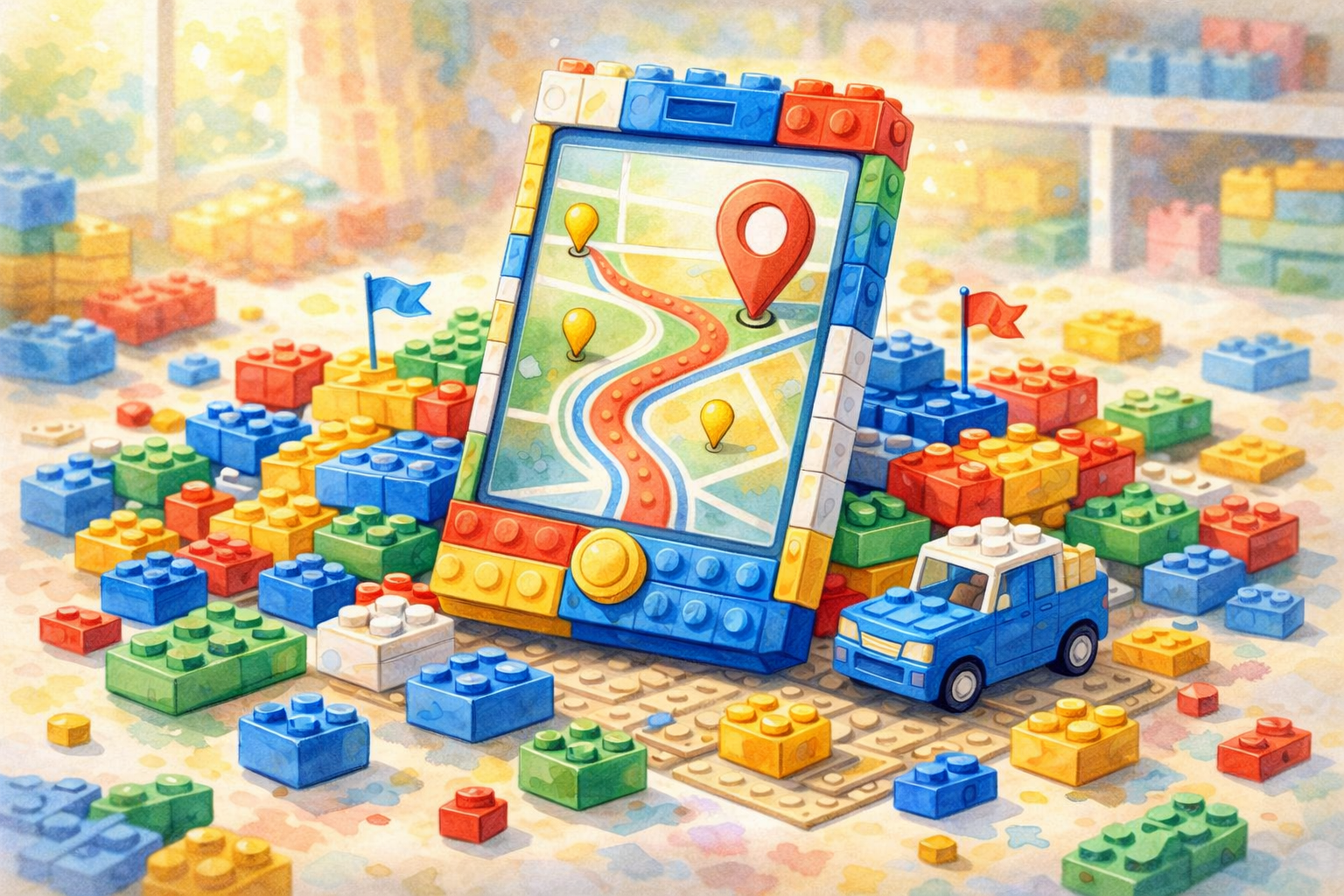
Lego-brick software. Stable, maintained components handling auth, payments, messaging, routing, storage. Snap them together. Pay per use. The platform handles maintenance. You just describe what you need.
There might even be a marketplace for these components. Not an app store. A component store. Pieces small enough to be flexible, robust enough to be reliable. You don’t download someone else’s finished solution. You assemble your own from battle-tested parts.
This doesn’t exist yet. But neither did app stores in 2006.
“The bespoke software revolution doesn’t need everyone to become a developer. It needs the building blocks to get good enough that solutions can be assembled, not engineered.”
The invisible revolution
Fried and the bespoke crowd are arguing toward the same endpoint from different directions.
Fried wants invisible technology. Solves your problem without making you think about the tech. The bespoke vision, at its best, wants the same thing. Not “everyone builds software” but “everyone gets software that fits their exact problem.” You describe the problem, a solution assembles itself from reliable components. You never see the code. You never maintain anything.
The bakery owner doesn’t want to build an app. She wants cakes delivered on time and clients notified. If an agent makes that happen without her seeing a line of code, that’s Fried’s invisible technology and bespoke software at the same time.
He’s right that we’re not there. And his instinct to push back on hype is valuable. But this time, “not there yet” has a shorter shelf life than he expects.
Enjoyed this post? Leave a comment or like it on Substack.